
By Michael Downing
A Mausoleum that Doubles as a Church
Westminster Abbey is a full-blown mausoleum that doubles as an active Anglican church. It’s insanely beautiful and holds a place of massive importance in the history and tradition of the British Empire.
I actually knew very little about the Abbey before we went. I knew it was a big, beautiful cathedral in London and I also knew that there was a special place called Poets’ Corner which—as someone who has studied English literature all my life—I was eager to see.
We purchased our tickets online beforehand and were able to breeze right in through the Great North Door (see map). They equipped us with a headset and handheld device with a touch screen for narration. Easy to follow.
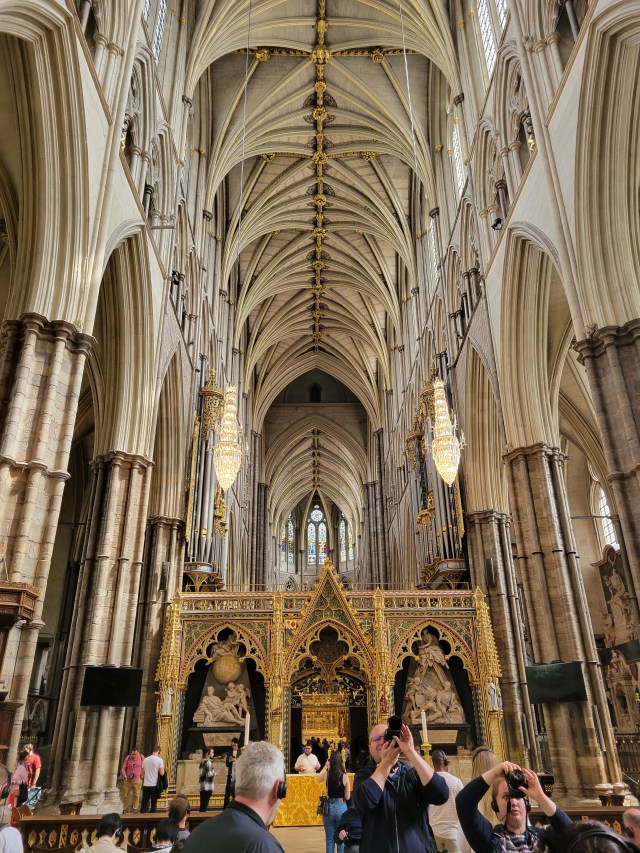
We turned to the right and passed various tombs, sculpted out of marble, with The Quire on our left. At the end of the entrance corridor, we turned left into the main cathedral, also known as The Nave (aka the central part of the church). The 100-foot-high ceiling is gorgeous, people craning their necks to see to the top. In total, the cathedral measures 290 feet in length and is 68-feet wide.
Quick Wikipedia synopsis:
Westminster Abbey, formally titled the Collegiate Church of Saint Peter at Westminster, is an Anglican church in the City of Westminster, London, England. Since 1066, it has been the location of the coronations of 40 English and British monarchs, and a burial site for 18 English, Scottish, and British monarchs. At least 16 royal weddings have occurred at the abbey since 1100.
Although the origins of the church are obscure, there was certainly an abbey operating on the site by the mid-10th century, housing Benedictine monks. The church got its first grand building in the 1060s under the auspices of the English king Edward the Confessor, who is buried inside. Construction of the present church began in 1245 on the orders of Henry III.
I recommend reading the entire entry because it’s just so incredible and fascinating. The reference points to the people who are either buried there or named in honor is, by itself, a time capsule of British history. See this map of Westminster Abbey.
Poet’s Corner
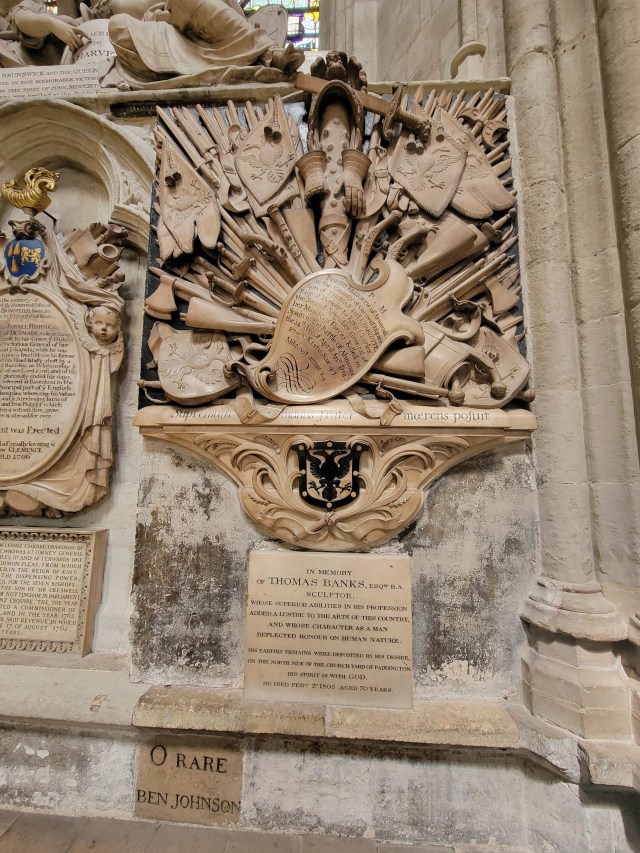
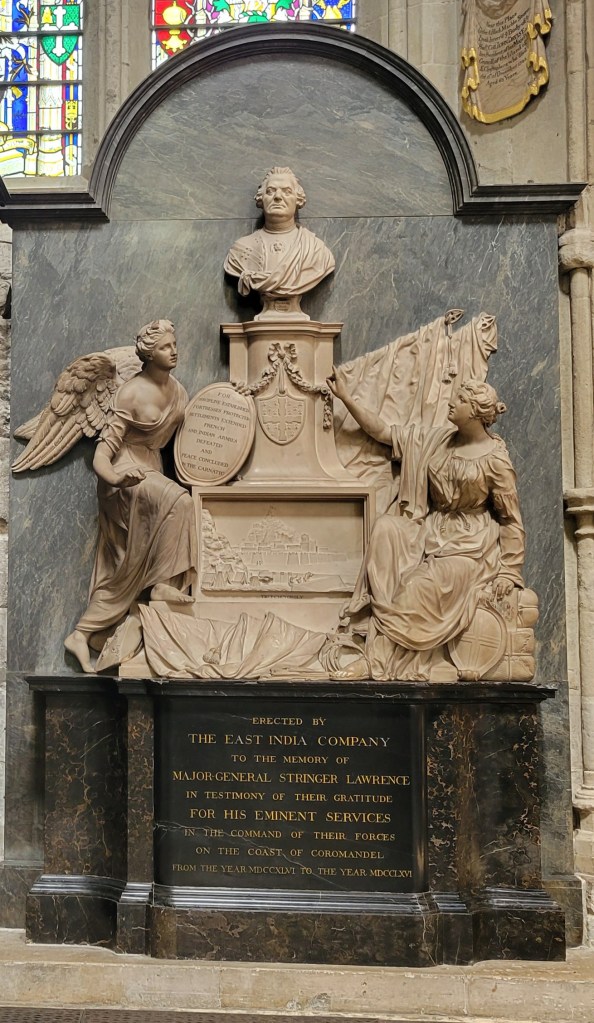
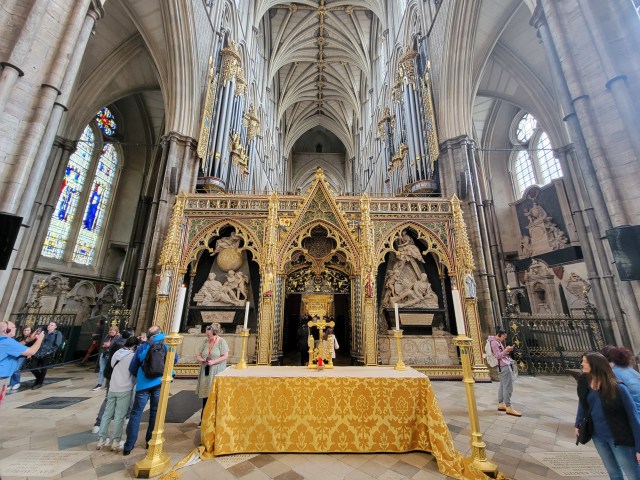
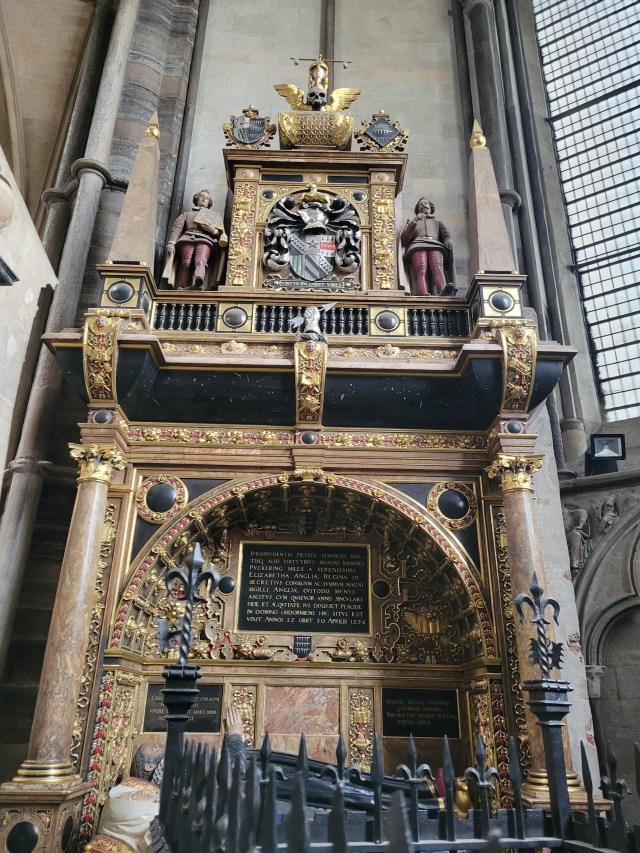
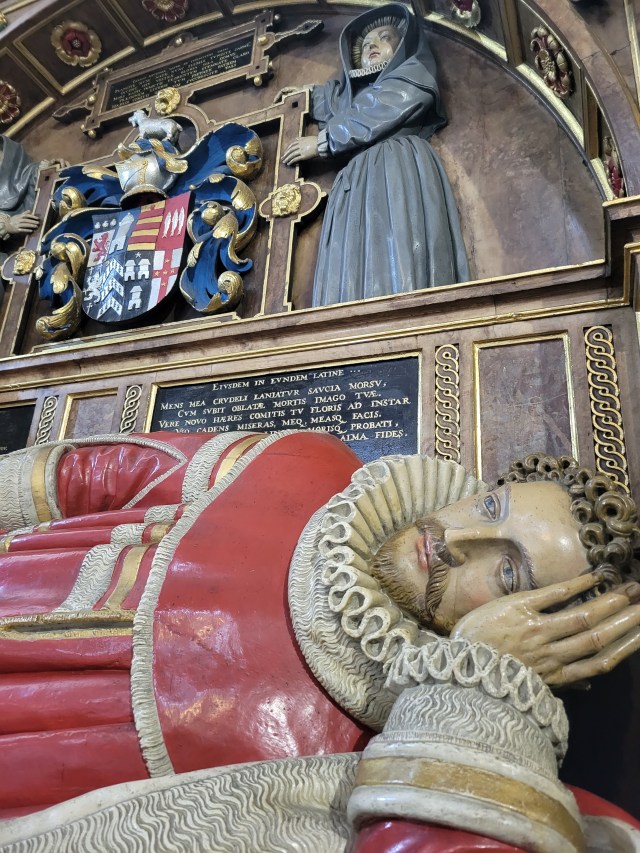
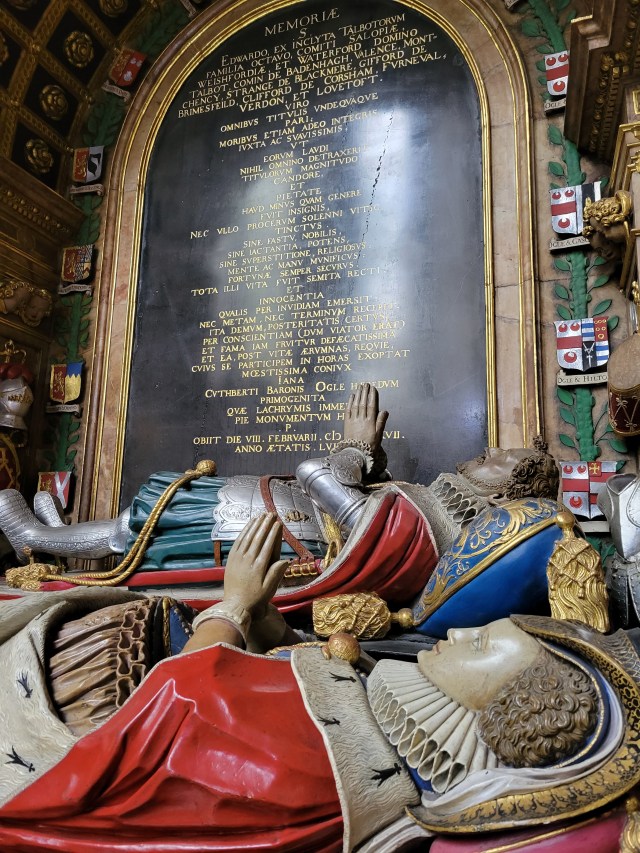
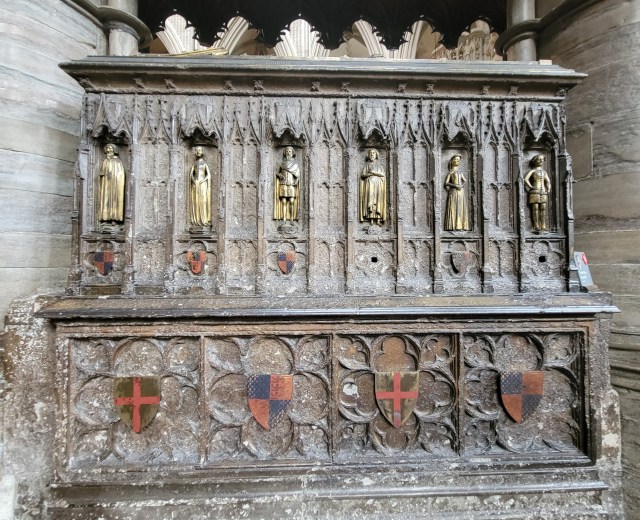
We took lots of pictures and in the images below you will see tombs and crypts and statues and dedications galore. Cathedral ceilings as well as a functioning altar. Marble sculptures and tributes to hundreds of important (and wealthy) people in English history.
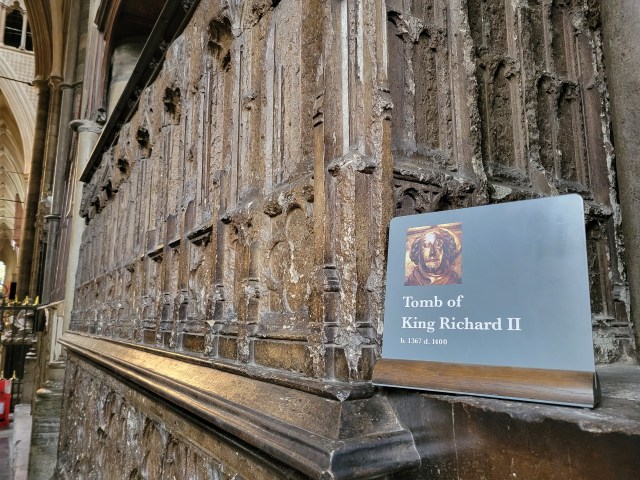
Highlights include the Shrine of Edward the Confessor (1066), the tomb of King Richard II (died 1400 AD; moved to Westminster in 1413 by order to Henry V) and the final resting place of Mary, Queen of Scots (1542-1587), whose own history is absolutely worth investigating.
Then, of course, there is Poet’s Corner…
At the far end of the building, opposite The Nave, is Henry VII Lady Chapel. It is breathtakingly beautiful.
According to Westminster-Abbey.org:
It is the burial place of fifteen kings and queens including Elizabeth I, Mary I, Mary Queen of Scots and what is thought to be the remains of Edward V and Richard Duke of York, the ‘Princes in the Tower’. Below the central aisle is the Hanoverian vault where George II and members of his family are buried. The Stuart vault is in the south aisle where Charles II, William III and Mary II, and Queen Anne lie buried.
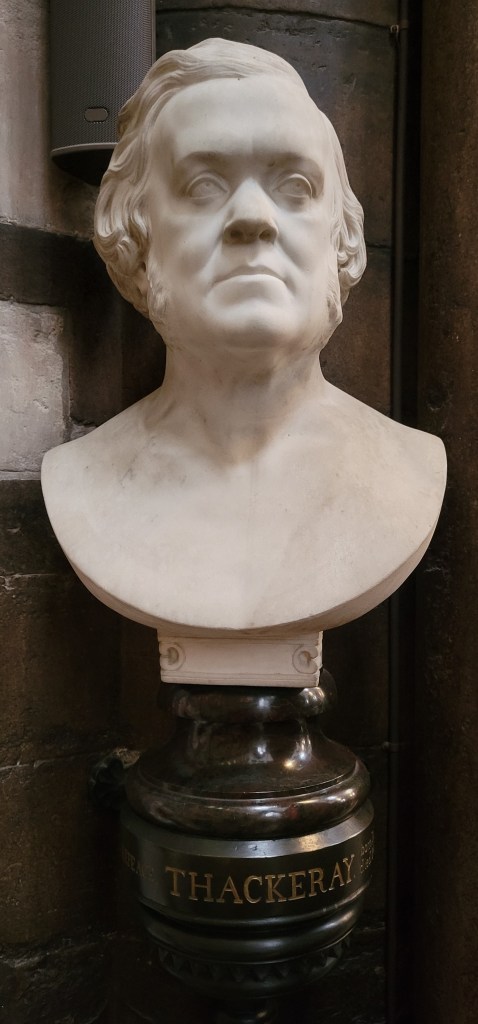
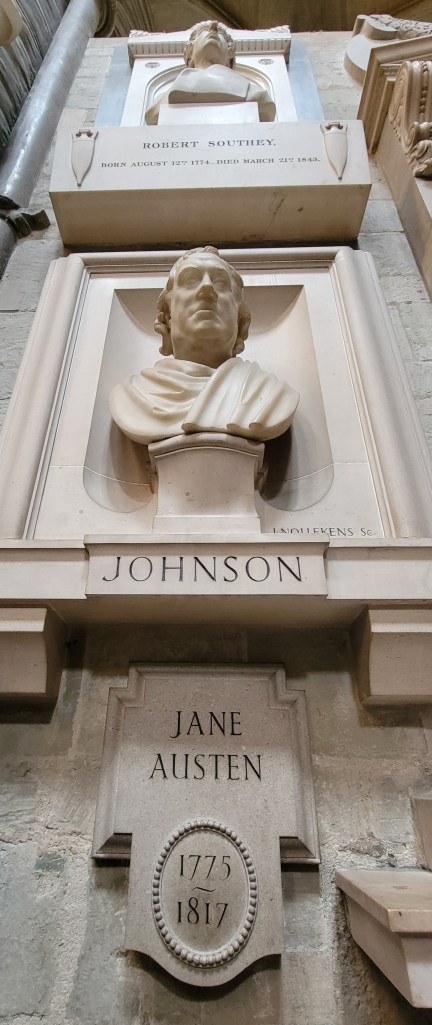
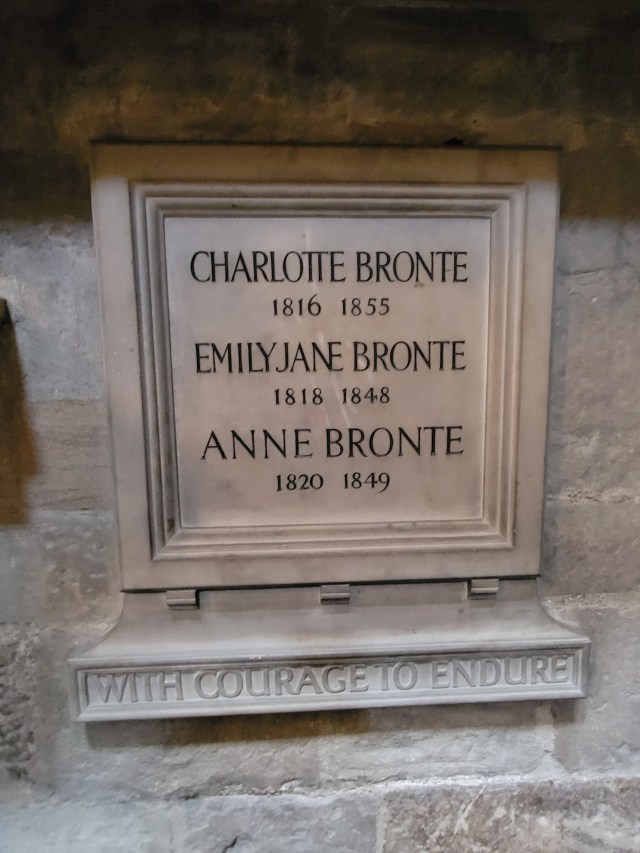
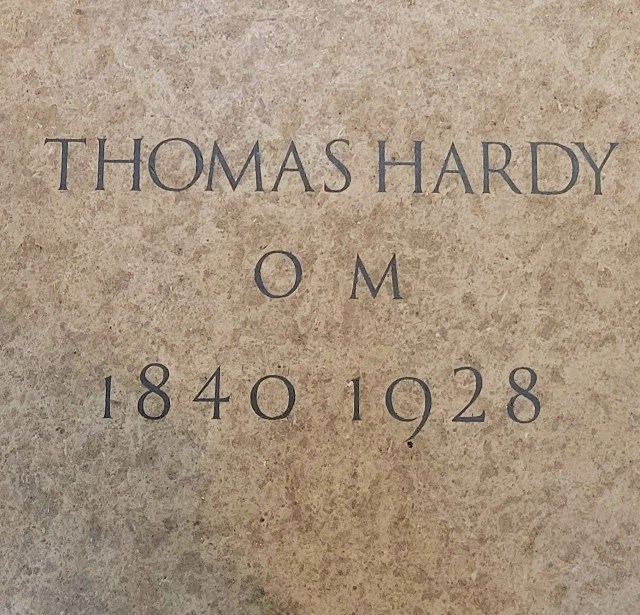
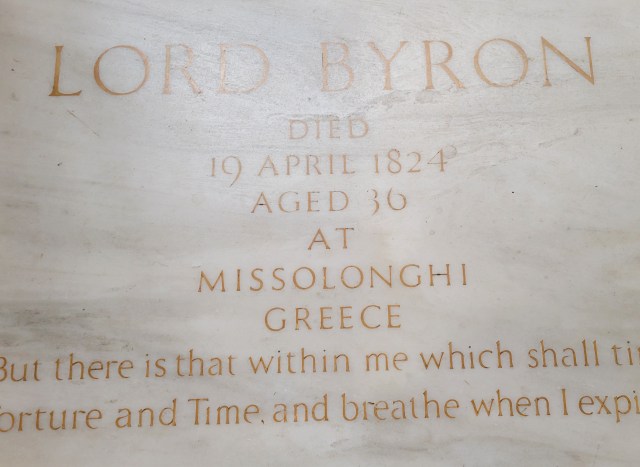
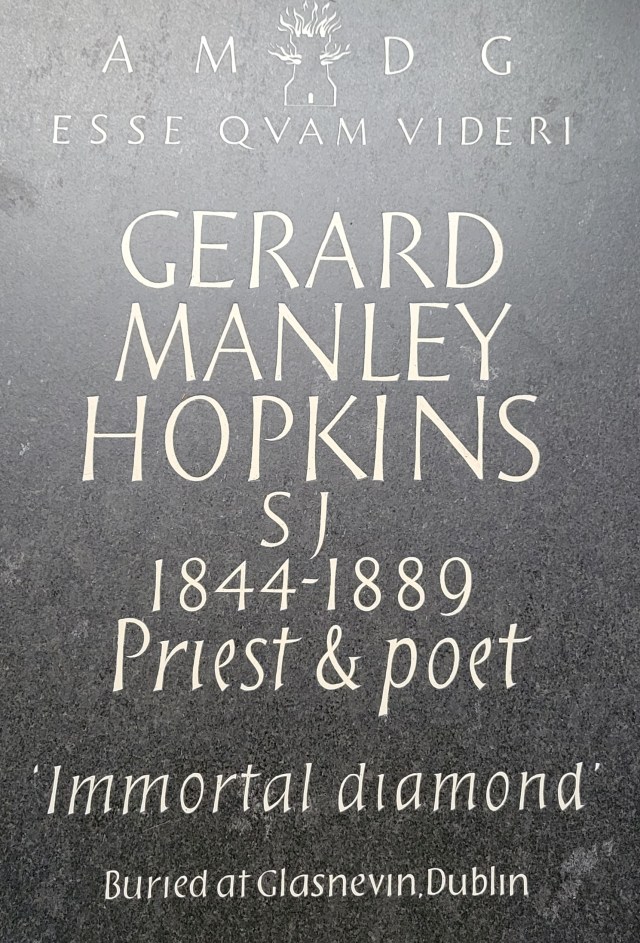
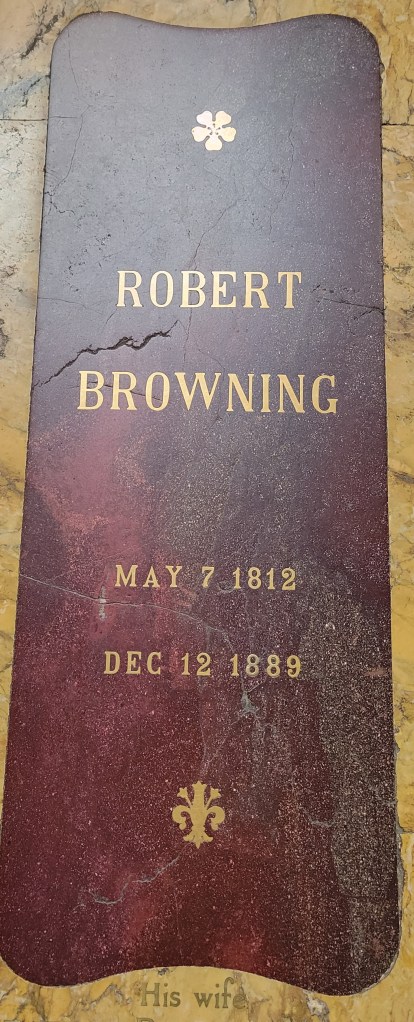
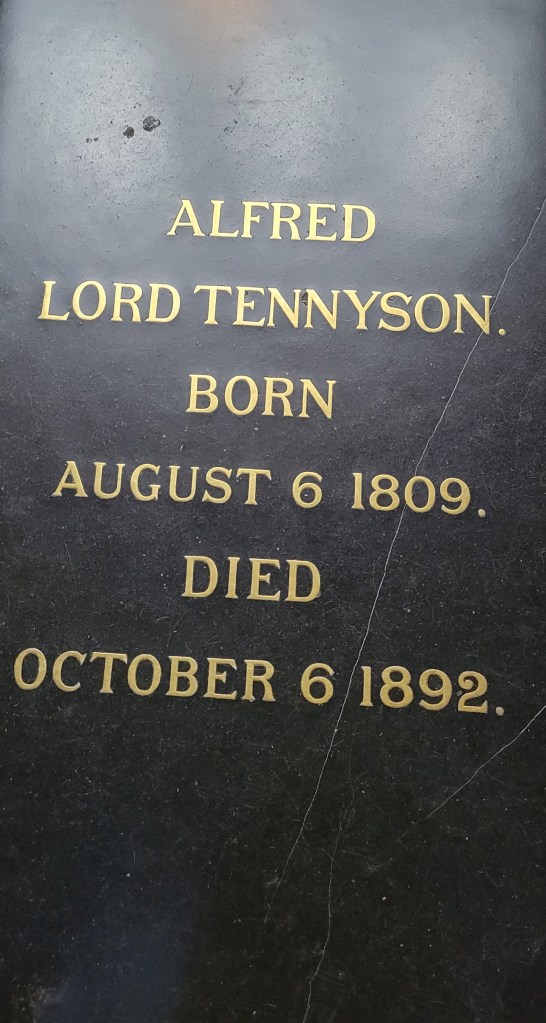
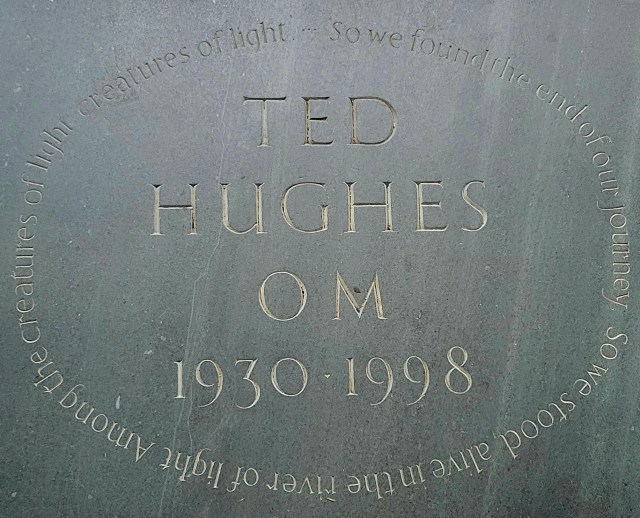
After the Lady Chapel, we made our way along the south corridor–they were really making me wait to see Poets’ Corner! All at once I started to see familiar names I have studied for more than 40 years: Thomas Hardy, William Makepeace Thackery, William Wordsworth, Jane Austen, William Shakespeare, Charlotte Emily and Ann Bronte, DH Lawrence, Lord Byron, Gerard Manley Hopkins, Robert Browning, Alfred Lord Tennyson, Ted Hughes, Philip Larkin, Henry Wadsworth Longfellow (who is, in fact, American), and William Blake.
Wow.
So my first question was who is actually buried here and who is formally commemorated?
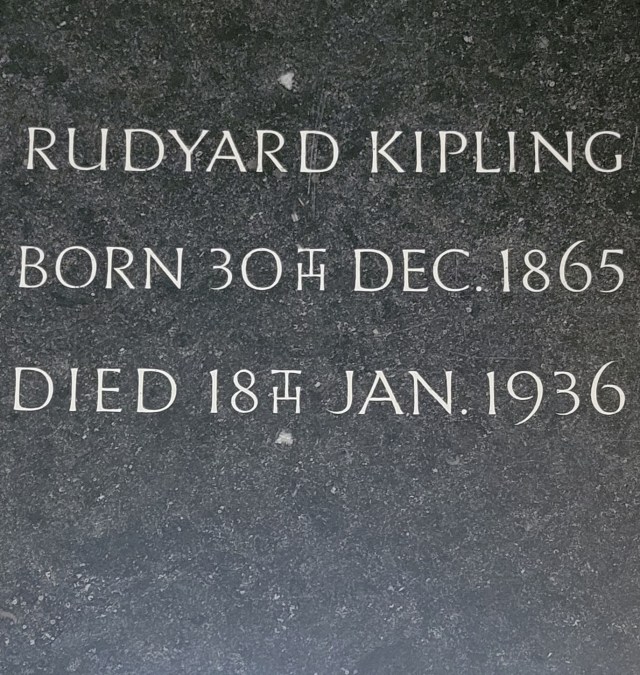
According to The Poetry Foundation, Geoffrey Chaucer, Edmund Spenser, Ben Jonson, John Dryden, Samuel Johnson, Robert Browning, Alfred, Lord Tennyson, Rudyard Kipling and Thomas Hardy are all buried at Westminster.
Shakespeare was buried at Stratford in 1616 and was not commemorated at Westminster until 1740. Others commemorated at Westminster include Charles Dickens, Jane Austen, Ted Hughes, The Bronte Sisters, CS Lewis, and Philip Larkin. This is just a partial list because the website says that more than 100 writers and poets are commemorated or buried there.
I am disappointed that JRR Tolkien (1892-1973) is not yet honored at Westminster. 2023 is the 50th anniversary of his passing, so it would make a lot of sense if he were to be honored this year. I did some poking around on The Tolkien Society website and saw no mention of it. I did see where JRR’s sister Priscilla, passed away in March of 2022 at the age of 92. Condolences. Perhaps I’ll reach out to the Tolkien Society to see where it stands.
As for the man who had such a great influence on me when I was a youngster, John Ronald Reuel is buried in Wolvercote Cemetery in Northern Oxford. I read The Hobbit and the entire LOTR series by the time I was 14 years old. I’m hoping to write separately about my early-life reading experiences and, in particular, JRR Tolkien.
Slides
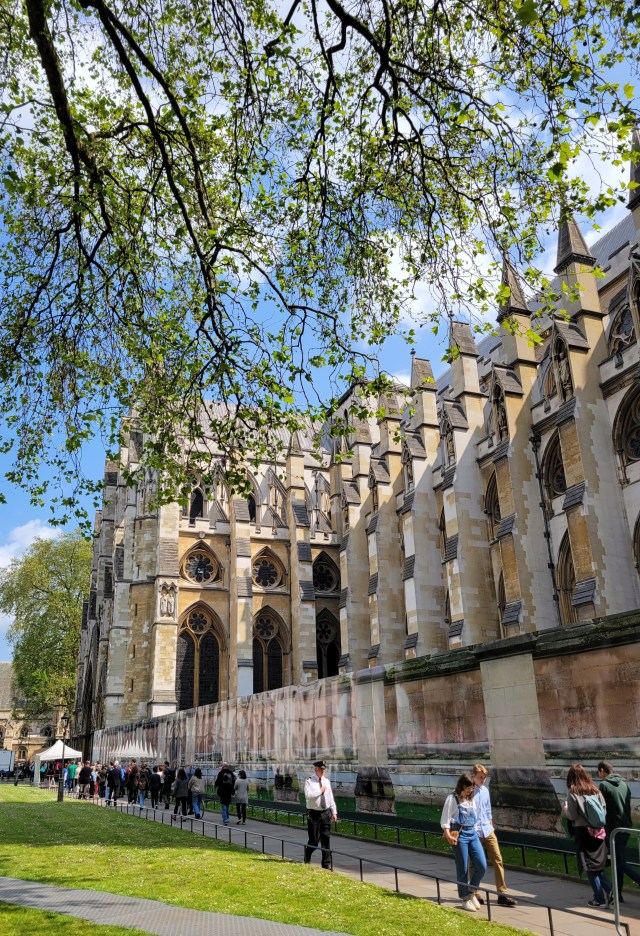
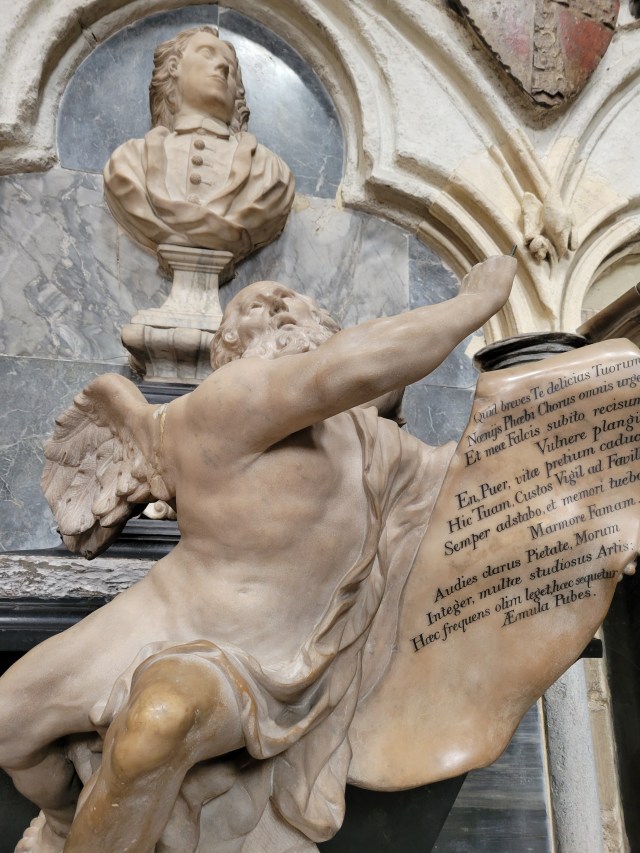
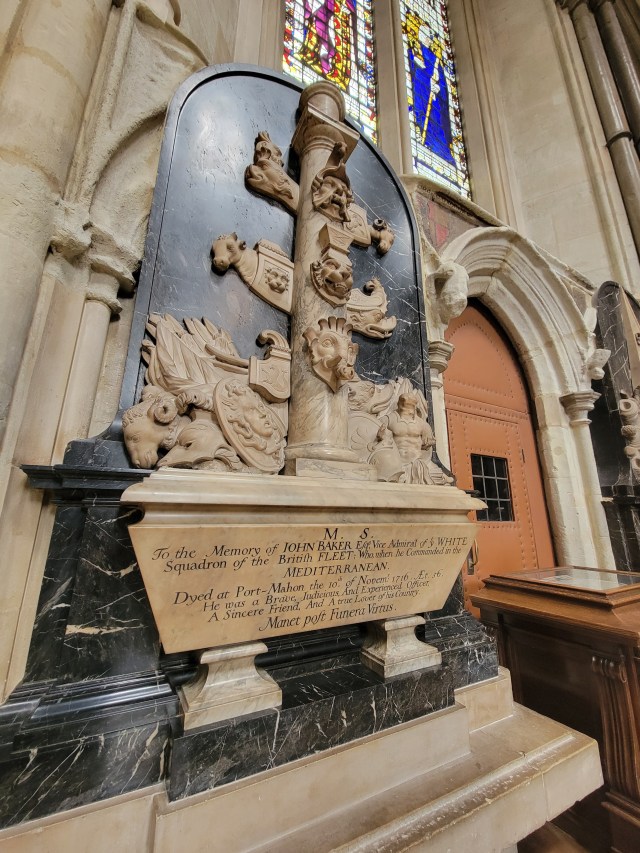
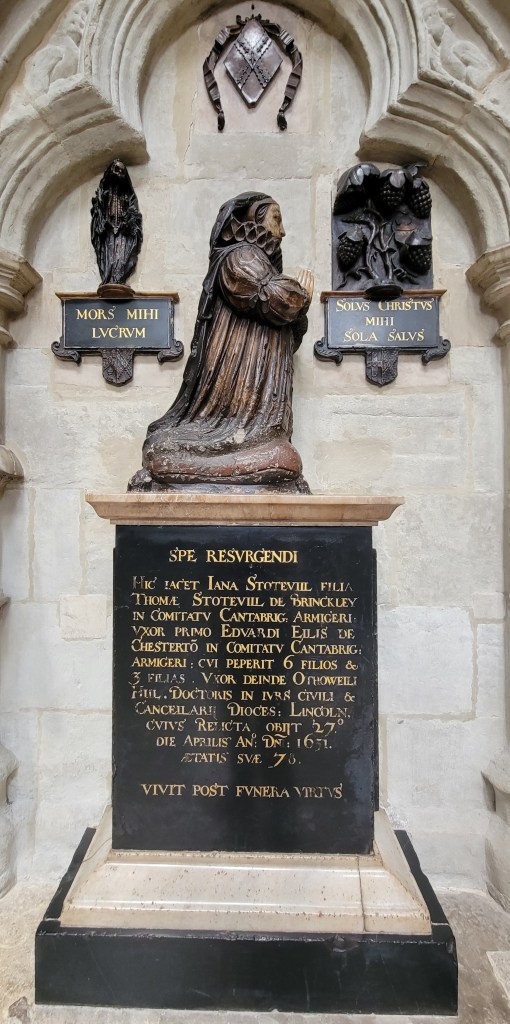
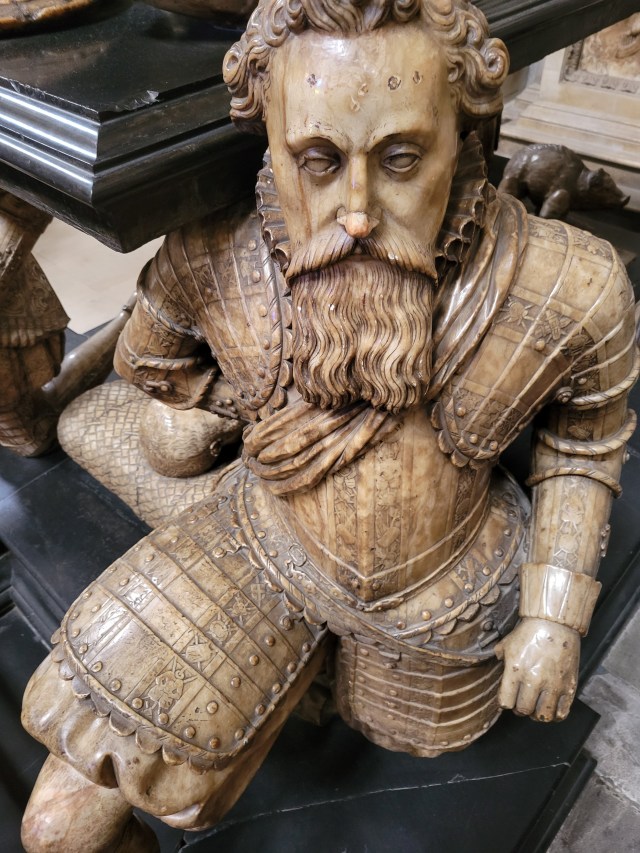
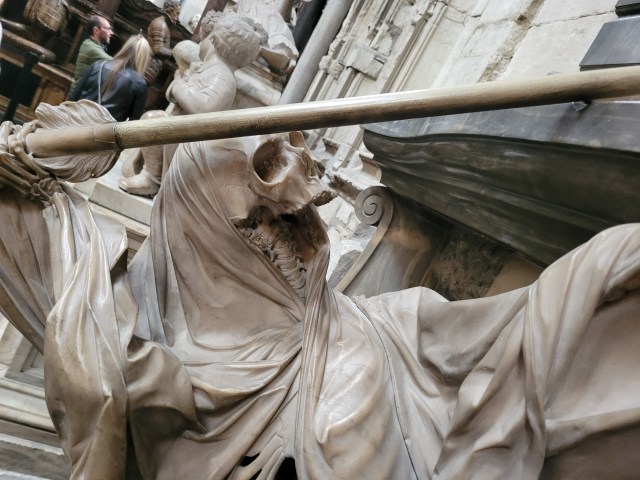
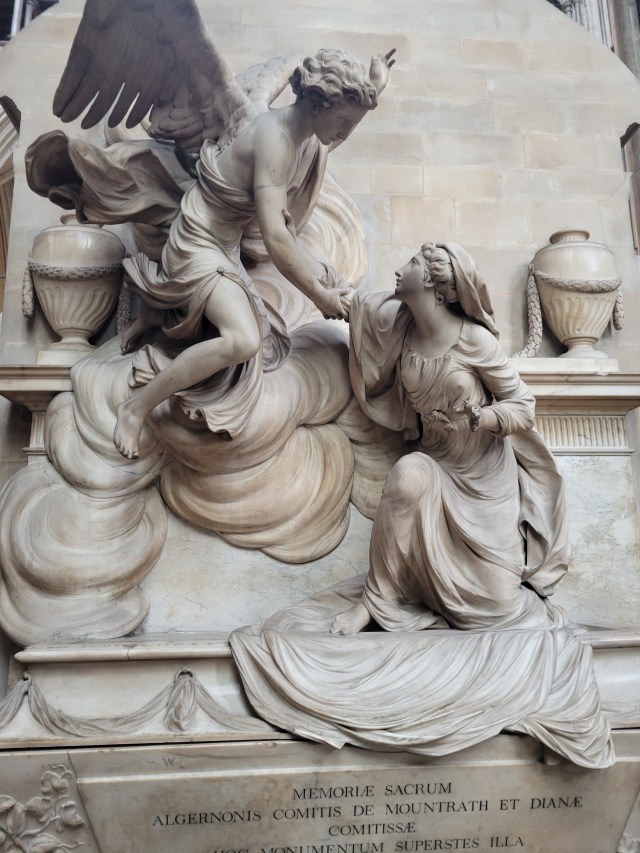
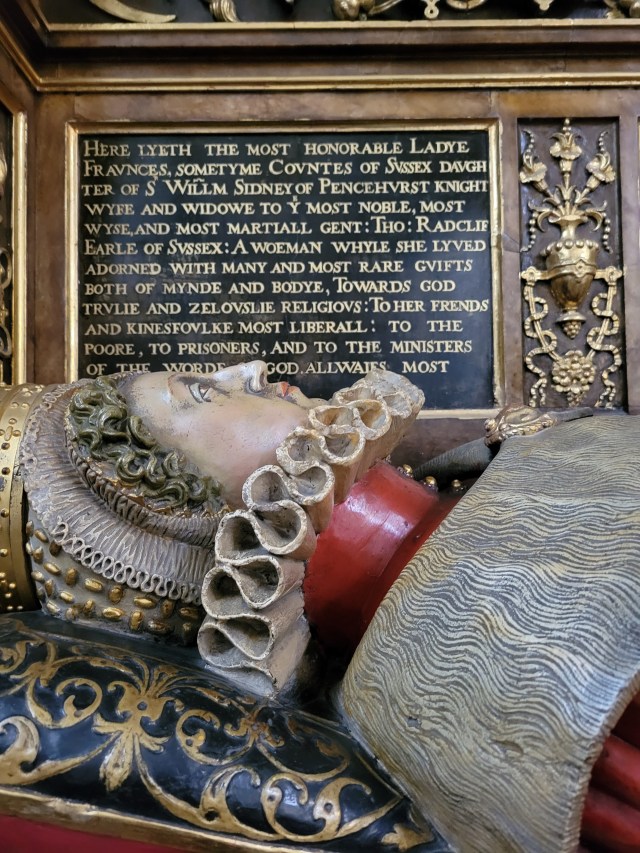
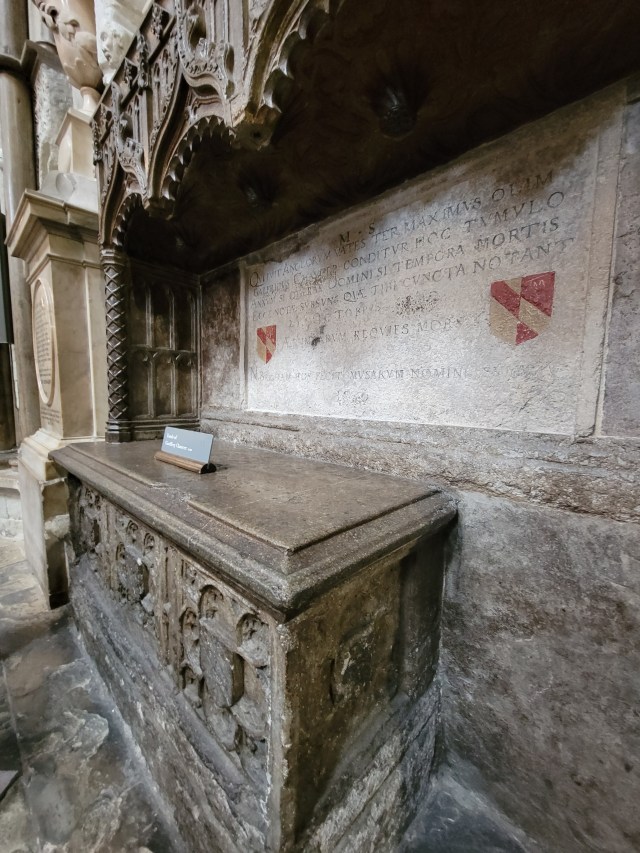
Photos below include two exterior shots of abbey, various tombs, sculptures, and commemorations, architecture, a functioning altar, metalwork, woodwork, two marble dudes with cool beards, Death with spear, angelic intervention, more monuments and sculptures, tomb of Richard II, and a bunch of shots from Poet’s Corner, beginning with William Makepeace Thackeray and ending with William Blake. Final shot is Chaucer’s tomb (1340-1400). All photos by Michael Downing.













 My Writing Wanderland